Week 3 / Adapting
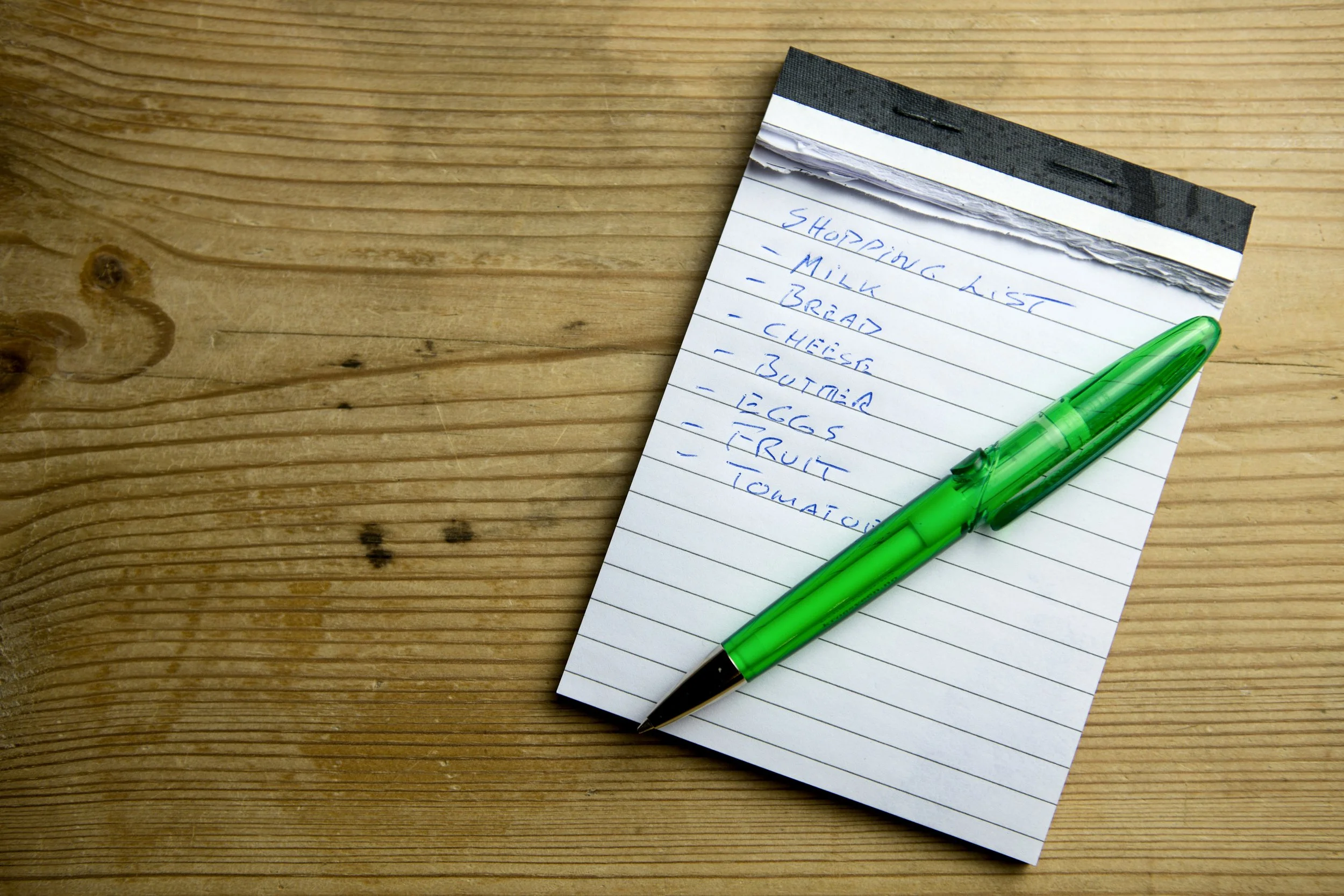
"You do not rise to the level of your goals. You fall to the level of your systems."
James Clear
Building Your Personal System
Let's talk systems. It isn't fancy; it's just another way to discuss building an intentional routine. We want reflexive steps that feel like something we could operate on autopilot. Whatever we do to choose, execute, and evaluate a recipe will be the same steps we revert to every meal, and every time a schedule change forces us to do an overhaul. For instance, many summer schedules differ wildly from winter schedules, and most seasonal changes require a deep rethink. We may have noticed this, but we may have never actively anticipated it. We see our routine and the sudden change as ‘something we’re doing wrong’.
A system is valuable because it keeps us from feeling overwhelmed by that galvanizing "where do I even start" moment that delays us from change when we need it. For instance, what if it looks like this:
Find a recipe by searching for "healthy [protein] recipes"
Buy ingredients on Saturday and precook protein on Sunday
Start with recipe two days of the week on the least busy days
Evaluate and decide what changes to make
The beauty here is that the moment we feel stressed or ashamed about how things have devolved, we can say to ourselves, "It's okay. I just have to start by doing a search. I can do this." We've created an easy system that helps us take action without getting paralyzed by the bigger picture. It doesn’t solve the whole problem, but it’s an on-ramp that builds the momentum we need.
Why Systems Work: The Psychology of Autonomy
Here's where it gets interesting from a psychological standpoint. According to Self-Determination Theory, we're most motivated when we feel autonomous—when our actions feel like genuine choices rather than external pressures. A good system actually increases your sense of autonomy by giving you a clear framework within which to make decisions that align with your values.
Think about it: when you have a system, you're not frantically googling "what should I eat" at 6 PM while hangry. Instead, you're calmly following your own predetermined steps. You chose this system, you can modify it, and you can trust it to work even when your brain is tired. That's autonomy in action.
The App Conversation (Or: How Not to Outsource Your Agency)
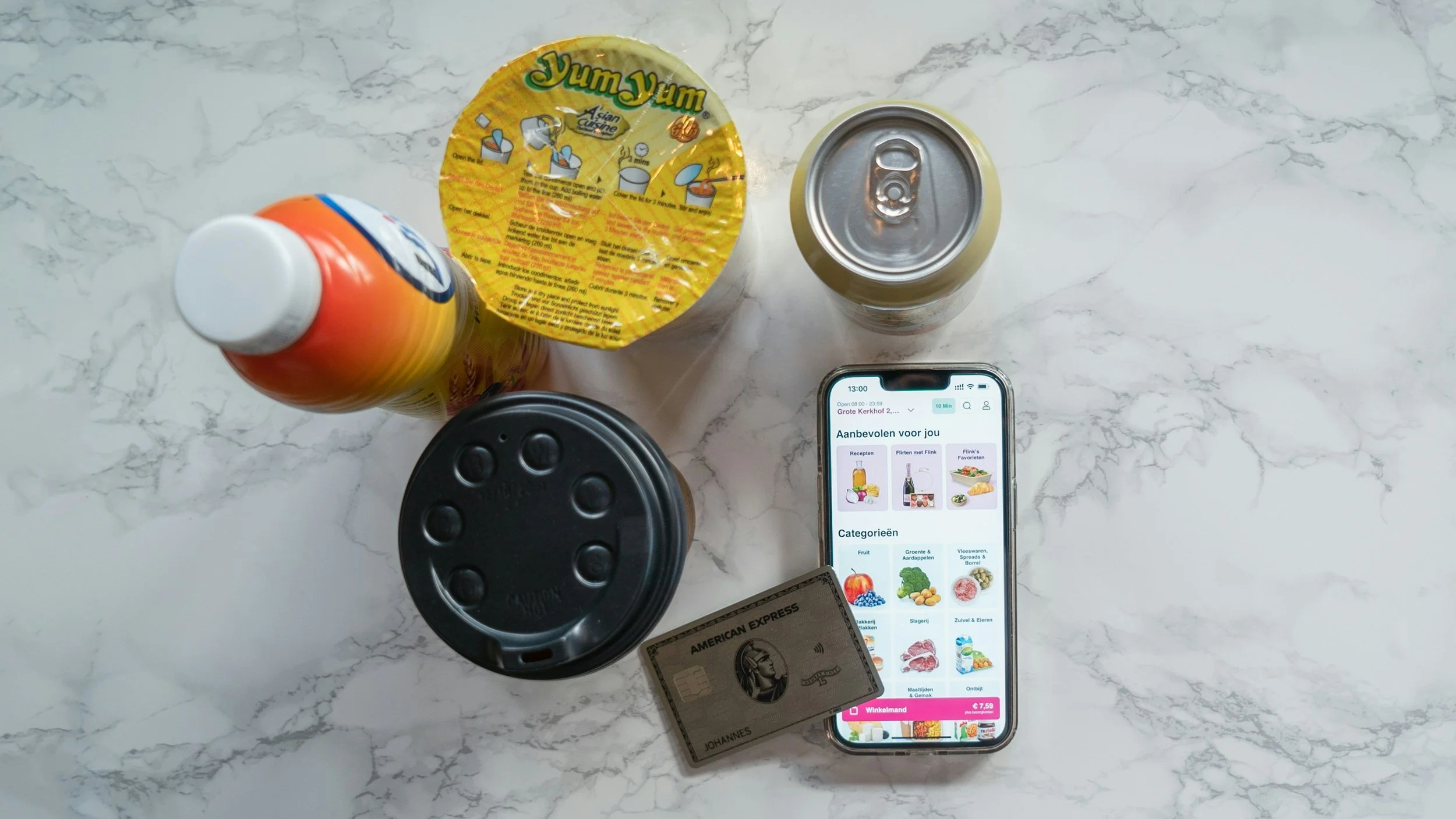
Since we're working on just one meal at a time, this is the ideal moment to experiment with apps and other tools. You aren't establishing a "logging streak," you aren't roped into engagement metrics, and you can casually ignore prompts without guilt.
But here's the catch: if you start an app expecting to log every meal "from now on" perfectly, the app will absolutely support that delusion (perfect just isn't a thing). And in doing so, the app can actually rob you of the very autonomy that keeps you motivated long-term.
When an app becomes your decision-maker ("Eat this," "Don't eat that," "You're 50 calories over"), you're no longer the one calling the shots. You've essentially handed over your internal compass to an algorithm. Research shows this external control undermines intrinsic motivation—the kind that sticks around when life gets messy. Our video describes this in greater detail.
Choosing Your Tech Relationship Wisely
Before diving into any nutrition app, we need to be honest about the relationship we want with technology. Some questions worth considering:
Are you energized by data?
If seeing macros and trends genuinely helps you make better choices without stress, then tracking tools can be fantastic. But if numbers make you feel judged or anxious, that's valuable information, too.
Do you need the nudge?
Some people thrive with gentle reminders and structured guidance. Others find constant notifications intrusive and controlling. There's no right answer—only what works for your brain.
How do you handle "imperfect" data?
If logging a meal that doesn't fit your goals sends you into a shame spiral, maybe tracking isn't your best tool right now. And that's completely okay.
The goal isn't to find the "perfect" app—it's to find tools that support your sense of competence and choice rather than undermining them.
The App Graveyard Problem
If you jump into tracking tools too quickly, you might end up operating under a sunk-cost fallacy. You know the internal dialogue: "But I've done all this work," "All my stats are here," "I like seeing the streak." This can keep you stuck in a toxic relationship with an app even when you realize it's not serving you.
And let's be real—an app graveyard on your phone doesn't exactly bolster your confidence either. Each abandoned tracking attempt can feel like evidence that you "can't stick to anything," when really it might just mean you hadn't found the right fit yet. Try it, evaluate it ruthlessly and delete it if you aren't happy with the way it supports you.
Because it’s ours
Our nutrition system can feel like a supportive framework, not a straitjacket. It can give us clarity and confidence, not stress and self-doubt. Most importantly, it can feel like ours—something we designed, something we can modify, and something that honors our goals and our humanity.
The best system is the one we'll actually use, not the one that looks perfect on paper. We're starting with one meal to build confidence and let our systems evolve as we learn what works for our unique situation and the constraints of the particular meal we're working on
Progress by any
other name
If you want to track your progress using a method with a short memory, one that's tied to something other than macros or calories, you might approach it using a task list or Kanban board. These are free apps and tracking systems that project managers use. While many more complicated dashboards and integrated systems exist, the two apps described in the accompanying videos are simple and easy to use.
The first is Trello, which creates Kanban boards. Think about it like the card game Solitaire, with a column of cards you can assign by category or days of the week. There are no 'accountability prompts' or rewards for checking all the boxes. If you miss a task, say grocery shopping one day, drag and drop the task (imagine an individual card in the column) on a different day. It's that easy. It can help you remember the flow of things and is especially useful for visual learners or those sensitive to any judgy vibe they get from calorie/macro counters. You can label, color-code, paste links and videos, and keep notes for later use.
ClickUp is more of a detailed list that looks like an outline with headings and subheadings to break out 'to-do' lists in greater detail. It also offers the satisfaction of clicking boxes without feeling ashamed for missing a task. It helps you think through all your steps while providing a spot to paste links and resources you may want to access later.
The goal here isn't to strongarm anyone into using technology. In fact, folks don't have to use any app for any reason. The goal is to offer other ways to look at tracking through a lens other than the typical meal log. Remember that these are not the right resources for those who want to keep a daily tally, but they can be efficient ways to organize and be creative while building consistent habits.