Week 2 / Planning
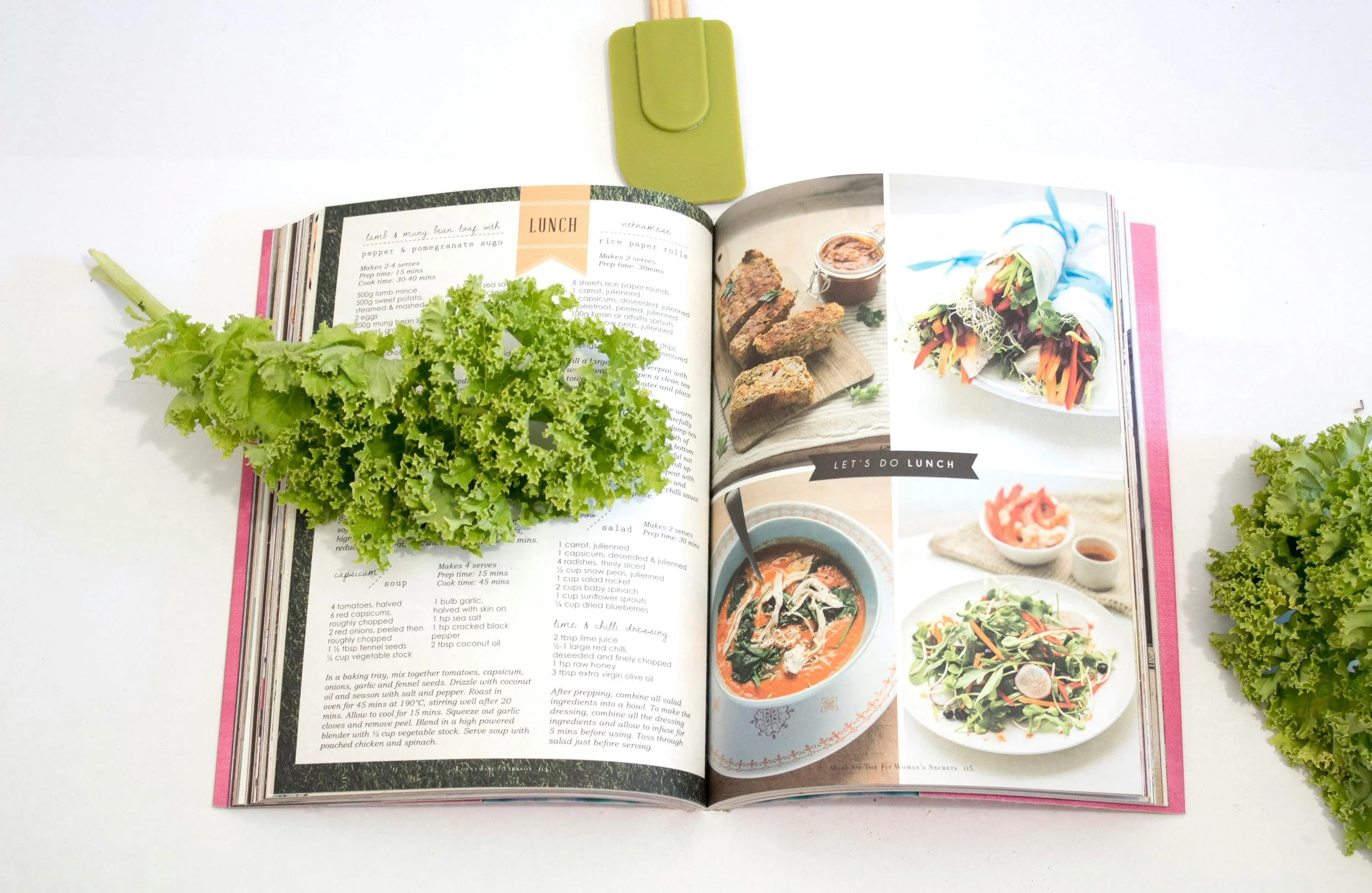
Photo by S O C I A L . C U T on Unsplash
Meal Planning
Like a Pro
Last week, we slowed things down.
We breathed.
We checked in.
Maybe we built our mindfulness muscle.
Progress.
Now, we shift gears.
Because this week? We're turning pro, and we need to walk in a pro's shoes/boots/cleats/whatever.
Welcome to the Big Leagues
Before every race, Formula 1 drivers walk the track. Marathon runners drive the course. Olympic skiers eye each gate, visualizing each turn before they even snap on a boot. Why? Because pros don't just show up and hope for the best. They prepare. Strategically.
We're going to do the same. And no, you don't need a helmet (probably). Just a pen, a plan, and a pot or pan.
Enter: Project Management
In project management, there's this thing called dependencies. These are the steps that must happen before the next step can occur. Miss one, and the whole plan teeters. Project managers track dependencies for precisely the reason we need to - if we aren't tracking the work that has to come first, we won't be ready to cook.
When it comes to meal planning, dependencies are everything. Let's break it down:
Do you have the recipe—and is it in a format that won't time out every 60 seconds while your hands are covered in olive oil?
Are your knives sharp, your spatula intact, and your kitchen not still housing the aftermath of last night's meal?
Is there time on your calendar—not just a hopeful mental slot wedged between meetings and grocery runs, but actual, blocked-out space?
Are your veggies cleaned, your protein thawed, your dry ingredients within arm's reach?
You get the idea. Ask all the annoying questions before the stove is hot and your motivation melts.
Mitigation Nation: What Could Go Wrong, and How Do We Stop It?
We're not here to stress you out—we're here to outsmart the stress.
This week is about mitigation strategies. Think of these as your safety nets. What needs to happen now to prevent panic later?
Can you clean the kitchen the night before so cooking doesn't start with resentment?
Can you pre-measure or mix dry ingredients to cut down on chaos?
Can you chop vegetables in advance so they're not judging you from the crisper drawer at 8:47 PM on a Wednesday?
Here's the truth: even restaurants don't try to cook a holiday meal all at once. Thanksgiving prep starts days in advance. The gravy? It was probably made with roasted chicken wings two days before the big event. It's not over the top—it's called not setting yourself up for failure.
So, what's your version of pre-made gravy? A batch of chopped onions? A playlist that turns your kitchen into a dance floor? Protein cooked and ready to add?
Visualize the Friction—Then Eliminate It
Close your eyes and walk yourself through the meal from grocery to clean-up. Where does it get annoying? That's your clue. That's the part that needs padding, tweaking, or outsourcing (Whole Foods salad bars are always a great place to get the chopped veggies you need for a recipe).
Do you want to eat this meal more than once? Can you freeze the leftovers? What's your Plan B if the day gets away from you? Could tonight's leftover chicken be tomorrow's whole wheat burrito filling? Could extra roasted veggies become salad toppers?
Know yourself well enough to know where you'll push back. We're not here to judge; we're here to embrace those moments and find solutions.
Actionable steps you can take this week
Fix it, already.
Do you need that one super sharp knife, do you want to replace a pan, is your cabinet organization driving you nuts, have you been meaning to get a Instapot/Air frier/rice cooker/crock pot? Do it, fix it, be done with it.
Review your spices.
Make sure you have everything you want and need. Throw out anything that's old or that you never use. You can leverage that space and clarity.
Stock your pantry.
You may need to improvise. Whole grains, beans, eggs, wraps, jarred sauces or flavorings (pesto, pickled beets, tapenade, tomato sauce), smoked salmon or canned tuna are things with a longer shelf life that you can throw together. Make sure it appeals to your tastes (we saw you wrinkle your nose at pickled beets).
Donate food that you thought you'd eat or use but never did.
We get it - you meant to cook something, and it was a great idea that never turned into a meal. Now, it's cluttering your space and making your kitchen feel unwelcoming and confusing. Make a clean break, my friend.
Find a source for recipes.
TikTok, ChatGPT, Google, Cookbooks, a favorite chef, Pinterest, etc.
Improve your skills.
If you're unsure how to prepare something, find YouTube videos that will walk you through it or ask ChatGPT for help.
Take a fresh look.
Go through your grocery store when you aren't hungry or in a hurry. Look up and down like you've never been there before. Try a nearby grocery store that isn't your usual haunt and poke through the aisles. Review your favorite takeout menu for things you've been missing. Review your map app for new places and browse their menu.
Buffer Like a Boss
Project managers never assume everything will go as planned. They absolutely plan for things to go off the rails.
Overestimate how much time you'll need.
Underestimate how much energy you'll have.
Throw in something enjoyable to sweeten the deal—a favorite podcast, a cozy drink, a rerun of "Great British Bake Off" in the background or a chef walking you through the recipe you're making.
This is about turning your kitchen into a place you want to be—not a place for drama and disappointment.
Remember: The Test Will Come
That thing that usually gets in the way of you making meal planning a habit? It'll show up again. The difference this time is that you're not trying to "tough it out." You're designing around it.
If you've been stuck in a cycle of "just try harder," your willpower is not the problem—it's the system.
Let's fix the system. Let's soften the friction points, add fun where we can, and design meals that work with your life instead of against it.
And hey—if this all sounds kind of fun, let's do two meals this week. If it sounds like a full-body clench? Let's scale it down. Talk to your coach about what's realistic for you. This isn't a test of how disciplined you are. It's a practice in learning how to support yourself better.
Because pro athletes don't go it alone—and you don't have to either.