Week 2 / Planning

The meal starts here
Protein Power:
Beyond Muscle
Most folks already know that protein builds muscle and repairs tissues. But did you know its influence extends much further? Today, we're diving into the lesser-known roles of protein—supporting immunity and hormone production—while also unpacking why older adults actually need more of it.
Protein's Secret Superpowers
Yes, protein repairs tissues—but it does so much more. It's essential for:
Enzymes & hormones: These proteins drive digestion, mood regulation, metabolism, and more.
Immune function: Antibodies are proteins—so adequate intake supports a strong defense system.
Without enough protein, your body can struggle to fight infections or regulate hormones. It's not just about strength; it's about overall vitality.
Thermic Effect & Smart Calories
Protein isn't just nutritious; it's thermogenic. According to NIH-funded studies, protein increases calorie burn during digestion by 20–30%, compared to just 5–10% for carbs and 0–3% for fat pmc.ncbi.nlm.nih.gov+2en.wikipedia.org+2en.wikipedia.org+2. More calories burned. More satiety. Fewer impulsive snack attacks. It's like a built-in metabolism booster that helps you feel full longer—and think clearer.
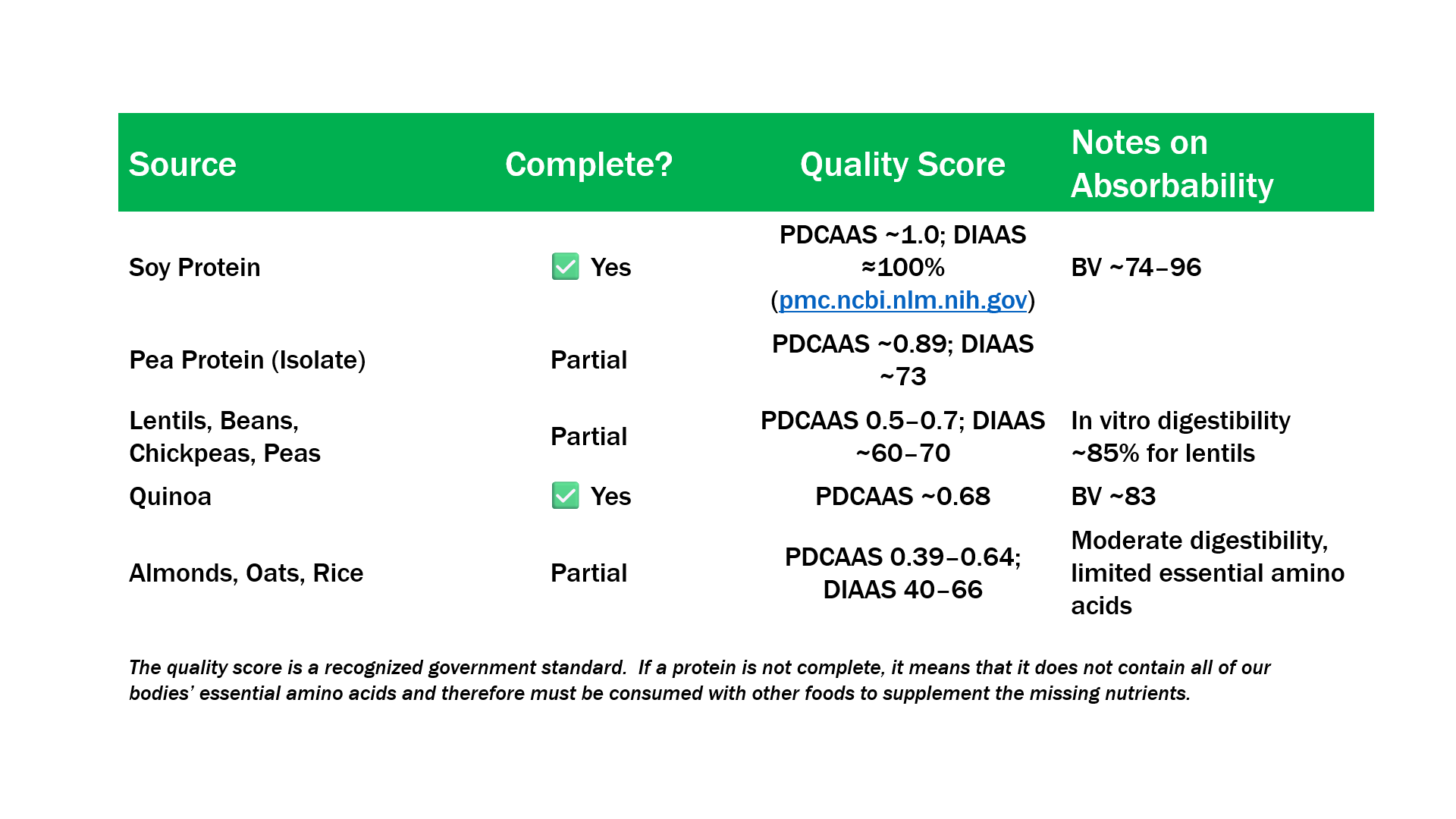
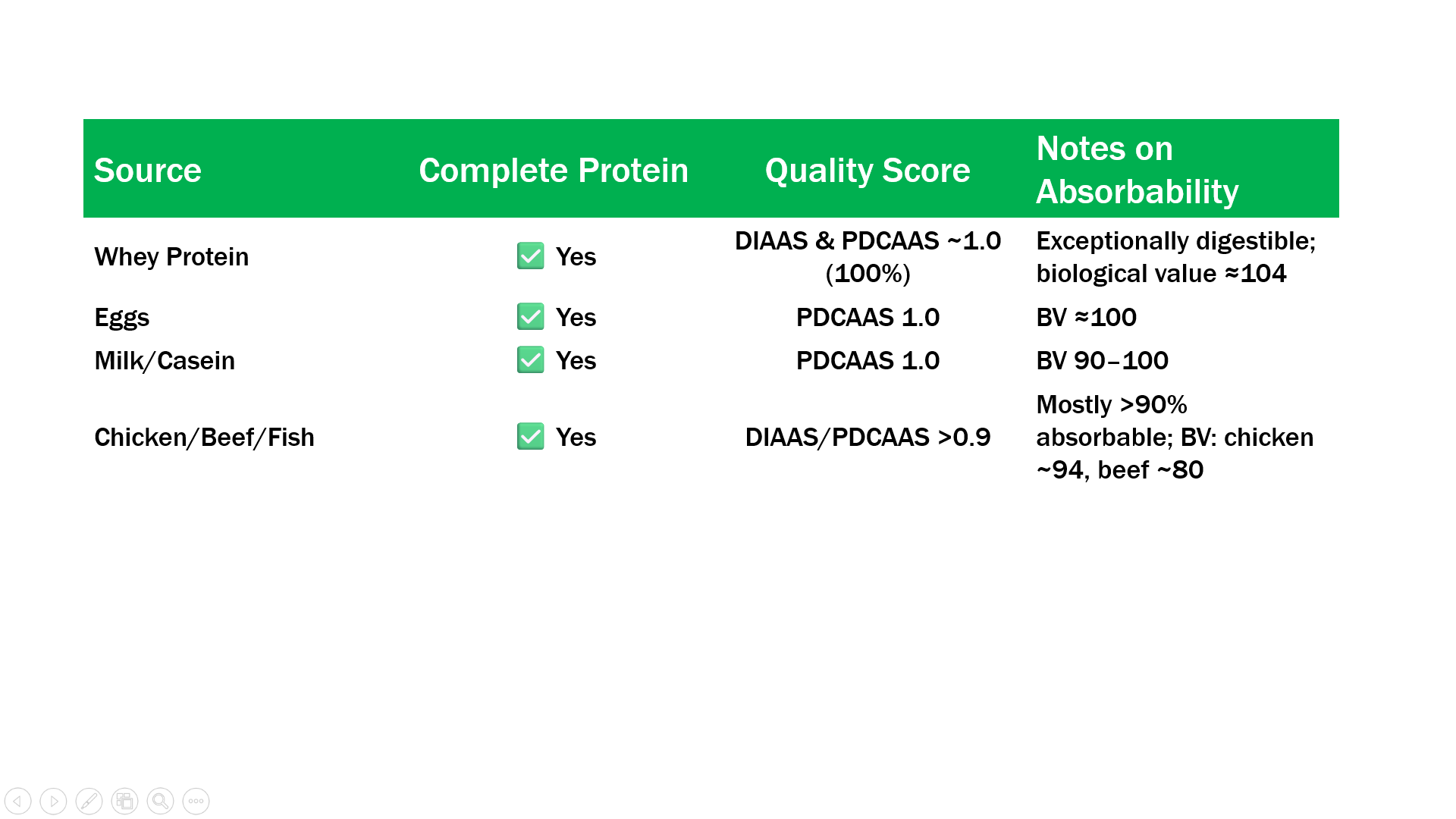
Why Older Adults Need More (and Better)
As we age, our bodies begin to absorb protein less efficiently—a process called anabolic resistance . Older adults may need 1.2–1.5 g/kg/day to maintain muscle, immunity, and bone strength.
A study in Nutrients showed low protein intake is linked to sarcopenia (muscle loss) in older adults .
Another review found 25–30 g of high-quality protein each meal supports optimal muscle synthesis in seniors pmc.ncbi.nlm.nih.gov+11albertahealthservices.ca+11en.wikipedia.org+11.
Far from being a concern only for athletes, sufficient protein matters for maintaining independence and reducing the risks of frailty, falls, and infection.
Lean Mass: The Cornerstone of Healthy Aging
Loss of lean mass isn't just about strength—it affects:
Metabolism: Less muscle equals fewer calories burned at rest.
Bone health: Protein supports bone density and helps prevent fracture risk.
Functional independence: Greater strength = better balance, mobility, and freedom.
Studies show whey protein supplementation in older adults helps preserve muscle mass and boost protein synthesis—providing a clear path to healthier aging.
References:
Thermic effect of protein: Westerterp-Plantenga et al. Annu Rev Nutr. 2009 pubmed.ncbi.nlm.nih.gov+8pubmed.ncbi.nlm.nih.gov+8pubmed.ncbi.nlm.nih.gov+8
Whey protein benefits: J Aging Neuro Psychol 2018 pmc.ncbi.nlm.nih.gov+15gavinpublishers.com+15pubmed.ncbi.nlm.nih.gov+15
Bone and protein: International Osteoporosis Foundation dietaryguidelines.gov+3osteoporosis.foundation+3pubmed.ncbi.nlm.nih.gov+3